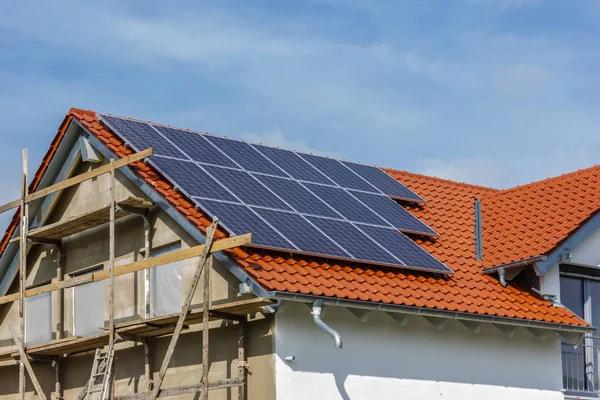
As the demand for renewable energy continues to grow, updated solar requirements for installations in modern homes have become increasingly important. These new standards aim to improve efficiency, safety, and integration with existing electrical systems while promoting sustainability. Modern solar installations must comply with stricter regulations that address not only the quality of panels and components but also the overall design and installation process. One significant change involves enhanced performance criteria for photovoltaic panels, ensuring they meet higher durability and energy conversion rates. This helps homeowners maximize their investment by generating more electricity over a longer period.
In addition to panel specifications, inverter technology has seen advancements reflected in updated requirements. Inverters play a crucial role by converting direct current generated by solar panels into alternating current used within homes. New guidelines emphasize smart inverters capable of communicating with utility grids to support grid stability during peak production or outages. These intelligent devices can adjust output dynamically, preventing overloads and facilitating smoother integration of distributed energy resources.
Another critical aspect is improved safety protocols during installation and operation. Updated codes mandate comprehensive grounding practices and rapid shutdown capabilities to protect both installers and emergency responders from electrical hazards. Rapid shutdown systems allow quick de-energization of rooftop modules during emergencies such as fires or storms, reducing risks associated with live circuits on building exteriors.
Energy storage solutions are increasingly incorporated into residential solar setups due to evolving requirements encouraging self-consumption optimization and grid independence. Homeowners are now advised or required in some regions to include battery storage options that store excess energy produced during sunny periods for use at night or cloudy days. This reduces reliance on external power sources while enhancing resilience against outages.
Furthermore, modern homes integrating solar power must consider architectural compatibility as part of permitting processes under updated rules. Solar arrays should be designed not only for optimal sun exposure but also with attention to aesthetics and structural integrity according to local zoning laws or homeowner association policies. Installers need detailed visit our site assessments including shading analysis, roof condition evaluation, and load-bearing capacity checks before finalizing system designs.
Updated documentation standards accompany these technical changes requiring clear communication between contractors, inspectors, utilities, and homeowners throughout project stages from planning through commissioning. Accurate record-keeping ensures compliance verification while facilitating future maintenance or upgrades.
Overall, these revised solar installation requirements reflect progress toward safer, more reliable renewable energy adoption tailored specifically for modern residential environments. By following these guidelines closely, homeowners can enjoy efficient clean energy generation aligned with contemporary technological advances while contributing positively toward environmental goals worldwide.