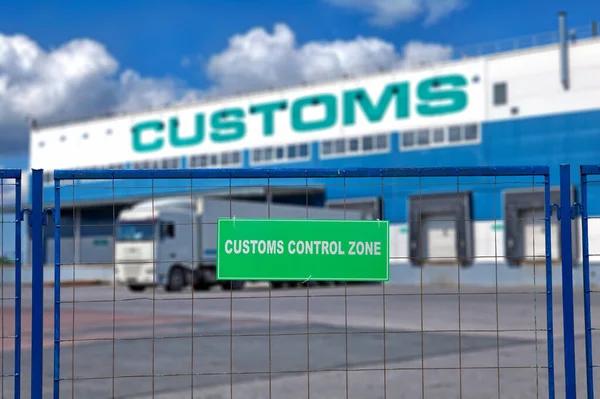
Navigating customs and regulations is a fundamental aspect of freight forwarding when shipping goods to or from Canada. Understanding these requirements ensures smooth transit, compliance with legal standards, and avoidance of costly delays or penalties. Freight forwarding involves coordinating shipments across international borders, making knowledge of Canadian customs procedures essential for businesses engaged in import or export activities.
Canada’s customs system is managed by the Canada Border Services Agency (CBSA), which oversees the inspection and clearance of goods entering or leaving the country. All shipments must be properly documented to meet CBSA standards. Essential documents include commercial invoices, bills of lading, certificates of origin, and any permits relevant to specific products. Accurate documentation helps prevent misclassification or undervaluation issues that could trigger audits or fines.
One critical factor in Canadian freight forwarding to canada is tariff classification under the Harmonized System (HS) codes. These internationally standardized codes categorize products for duty assessment purposes. Correctly identifying HS codes ensures that appropriate tariffs are applied based on product type and origin. Misclassification can lead to incorrect duties being charged or shipment delays due to additional inspections.
Importers must also be aware of applicable duties and taxes imposed on their goods. Duties vary depending on product categories and trade agreements between Canada and other countries. The Goods and Services Tax (GST) applies broadly but may be complemented by provincial sales taxes depending on the destination within Canada. Proper estimation of these costs during shipment planning helps avoid unexpected expenses upon arrival.
Certain goods require special permits or licenses before they can enter Canadian territory. Restricted items such as firearms, agricultural products, pharmaceuticals, and hazardous materials fall under strict regulatory controls enforced by various government departments alongside CBSA oversight. Ensuring compliance with these rules requires advance preparation including obtaining necessary approvals prior to shipping.
Freight forwarders play an important role in managing customs clearance processes for clients by acting as intermediaries between shippers, carriers, and government agencies. They assist with paperwork submission, tariff calculations, scheduling inspections if needed, and arranging payment of duties on behalf of importers or exporters.
In summary, understanding Canada’s customs regulations is vital for effective freight forwarding operations involving this market.