Extending the life of your air conditioning system requires consistent care and attention to ensure it operates efficiently over time. One of the most important steps is regular maintenance, which includes cleaning or replacing the air filters every one to three months depending on usage and environmental conditions. Dirty filters restrict airflow, forcing the system to work harder and potentially causing damage. Keeping filters clean not only improves air quality but also reduces strain on components.
Another crucial aspect is ensuring that the outdoor unit remains free from debris such as leaves, dirt, and grass clippings. The condenser coils need unobstructed airflow to dissipate heat effectively. Regularly inspect this area and clear any blockages carefully without damaging delicate fins or wiring. Trimming back vegetation around the unit will also help maintain adequate ventilation.
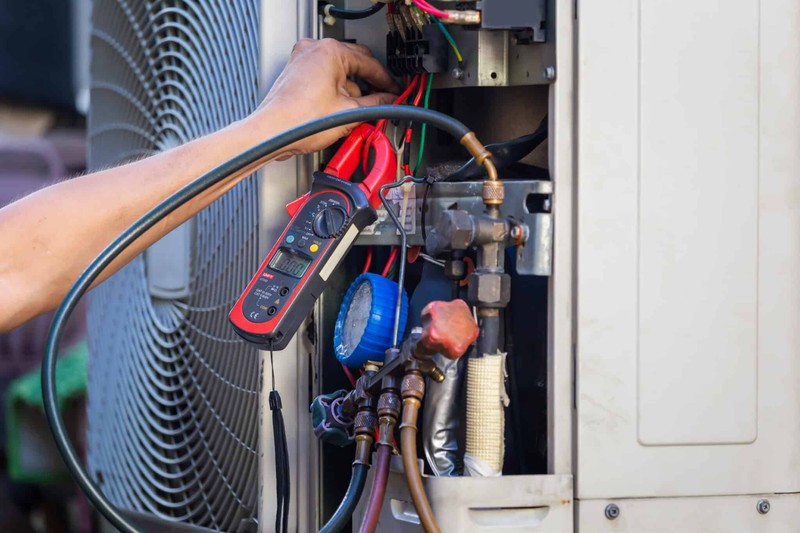
Scheduling professional inspections at least once a year is highly recommended for identifying potential problems before they escalate into costly repairs. A qualified technician can check refrigerant levels, tighten electrical connections, lubricate moving parts, and assess overall system performance. Early detection of issues like refrigerant leaks or worn-out components prevents unnecessary wear and extends operational lifespan.
Proper thermostat use plays an essential role in reducing unnecessary workload on your air conditioner. Setting hvac contractors temperatures appropriately-avoiding extreme settings-and using programmable thermostats can optimize cooling cycles while minimizing energy consumption. Avoid constantly adjusting temperature settings as this causes frequent cycling that stresses mechanical parts.
Sealing leaks in ducts ensures cooled air reaches intended spaces efficiently without loss through gaps or cracks in ductwork systems. Leaky ducts force your AC to run longer to maintain desired temperatures, accelerating wear on compressors and fans. Inspecting ductwork periodically for signs of damage or disconnections helps maintain proper airflow distribution.
Keeping indoor humidity under control supports efficient cooling by preventing excess moisture buildup that forces your system to work harder than necessary. Using dehumidifiers alongside your AC during humid seasons can ease its burden significantly.
Lastly, avoid overworking your unit by providing shade for outdoor components when possible; direct sunlight increases operating temperatures leading to reduced efficiency and faster deterioration of parts.
By following these practices consistently-regular filter changes, keeping units clean, scheduling professional maintenance, optimizing thermostat use, sealing ducts properly, controlling humidity levels, and shading outdoor equipment-you can significantly extend the life expectancy of your air conditioning system while maintaining comfort throughout warmer months with fewer breakdowns or costly repairs down the line.
D-N-D Services Inc
4770 I-30 Frontage Rd, Caddo Mills, TX 75135
972-771-9898