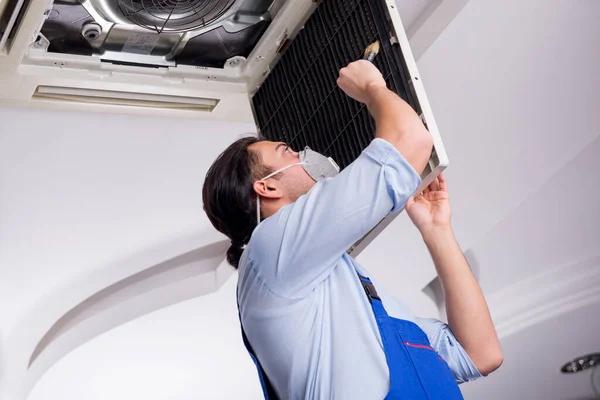
HVAC contractors play a crucial role in maintaining comfort and safety by managing emergency repair requests promptly and efficiently. When clients face sudden heating, ventilation, or air conditioning failures, these professionals must respond quickly to minimize discomfort and prevent further damage. The process begins with receiving the emergency call, where contractors prioritize the urgency based on factors such as extreme weather conditions, system failure severity, and potential health risks. Clear communication during this initial contact helps technicians understand the problem’s nature and prepare accordingly before arriving at the site.
Once dispatched, HVAC contractors rely on their expertise to diagnose issues rapidly upon arrival. They assess the equipment thoroughly to identify faulty components or system malfunctions causing the emergency. This diagnostic phase is critical because it allows them to determine whether a simple repair will suffice or if parts replacement is necessary. Contractors carry essential tools and common replacement parts in their service vehicles to expedite repairs whenever possible. Their ability to troubleshoot effectively reduces downtime for customers while ensuring that temporary fixes do not compromise long-term system performance.
Time management is another vital aspect of handling emergency repairs successfully. HVAC professionals often work extended hours during peak seasons when breakdowns are more frequent due to heavy usage or extreme temperatures. They coordinate schedules carefully so that urgent cases receive immediate attention without neglecting routine maintenance appointments already planned for other clients. Efficient routing between jobs also minimizes travel time, enabling technicians to reach multiple emergencies within a short period if needed.
Safety considerations remain paramount throughout every stage of an emergency repair callout. Contractors adhere strictly to industry standards and local regulations when working with electrical components, refrigerants, or gas lines involved in HVAC systems. Proper protective gear is worn at all times while ensuring that any hazardous situations are contained swiftly to protect both occupants and workers from harm.
After completing repairs, HVAC contractors typically test the system extensively before leaving the premises. This step confirms that everything functions correctly under normal operating conditions and prevents repeat visits caused by incomplete fixes. Additionally, they provide customers with detailed explanations about what caused the issue along with recommendations for preventive measures moving forward.
In summary, managing emergency repair requests requires HVAC contractors to combine prompt response times with skilled diagnostics, effective time management strategies, strict adherence to safety protocols, and thorough post-repair testing procedures. These elements together enable them to restore comfort quickly while maintaining high standards of service quality for their clients during unexpected breakdowns or failures in Semper Fi Heating and Cooling systems.