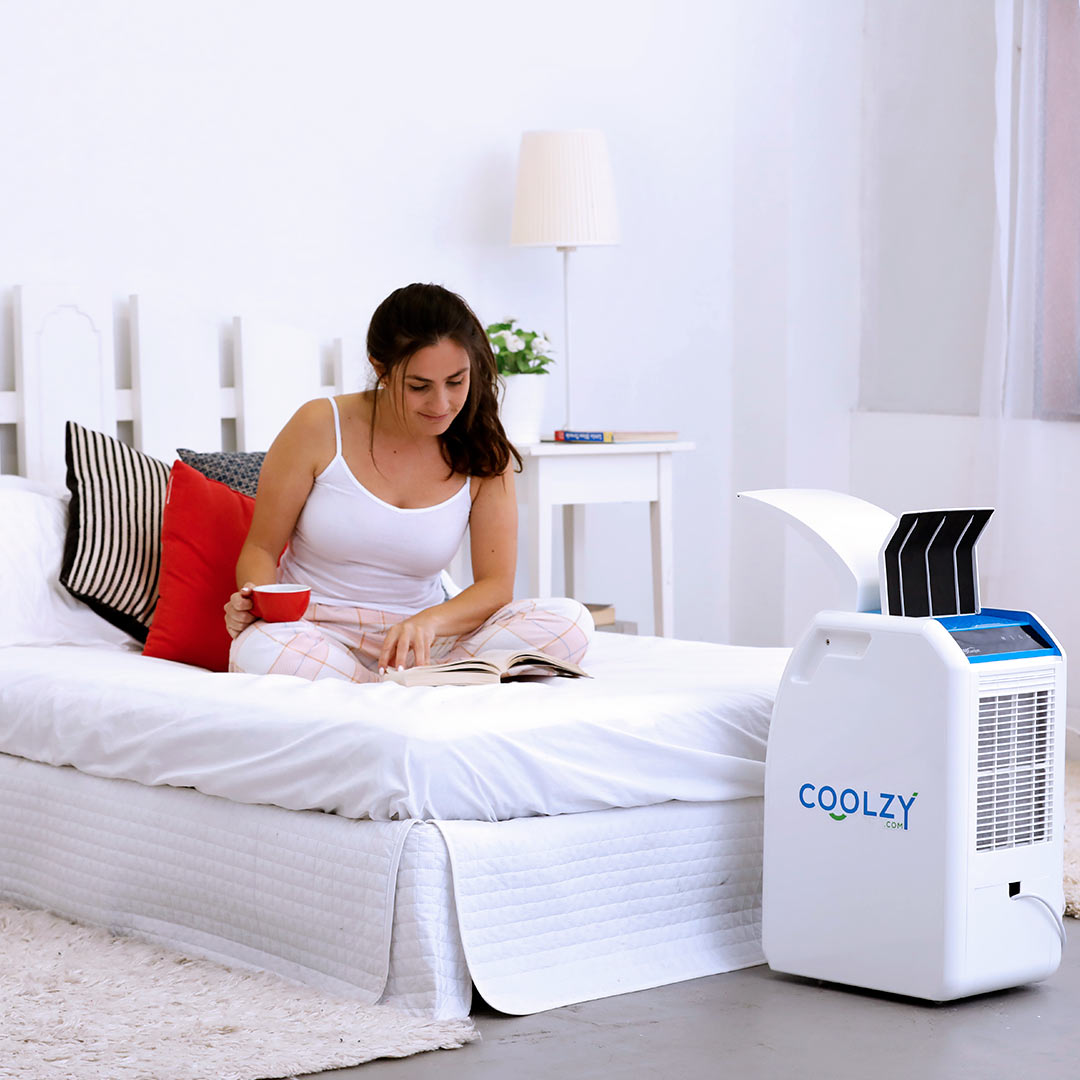
Air conditioners play a significant role in shaping indoor air quality, influencing both comfort and health within enclosed environments. While their primary function is to regulate temperature, they also affect humidity levels and air circulation, which are critical factors in maintaining a healthy indoor atmosphere. Properly functioning air conditioning systems can improve indoor air quality by filtering out airborne particles such as dust, pollen, and other allergens. Many modern units come equipped with advanced filtration technologies designed to trap microscopic contaminants, thereby reducing the concentration of pollutants inside homes or workplaces.
However, if not maintained correctly, air conditioners can become sources of poor indoor air quality rather than solutions. Accumulated dirt and moisture within the system create ideal conditions for mold growth and bacterial proliferation. When these microorganisms spread through the ventilation system, they may cause respiratory issues or exacerbate allergies among occupants. Regular cleaning of filters and ducts is essential to prevent such problems from arising. Neglecting maintenance can also lead to clogged filters that reduce airflow efficiency and force the unit to work harder while circulating unfiltered or contaminated air.
Humidity control is another important aspect influenced by air conditioning systems. By removing excess moisture from the indoor environment, these units read more articles help inhibit mold growth on walls or furniture surfaces where dampness might otherwise accumulate. Maintaining optimal humidity levels between 30% and 50% discourages dust mites and other pests that thrive in overly humid conditions. Conversely, overly dry indoor environments caused by excessive cooling without proper humidity management may lead to discomfort such as dry skin or irritated respiratory tracts.
Ventilation provided by some types of air conditioners contributes positively when fresh outdoor air is introduced into interior spaces along with conditioned airflow. This exchange helps dilute concentrations of indoor pollutants like volatile organic compounds (VOCs) emitted from paints, cleaning products, or building materials. However, many traditional split-system units recirculate only internal air without bringing in outside ventilation; this limits their effectiveness at improving overall indoor air freshness unless combined with separate ventilation strategies.
Energy-efficient models often incorporate features aimed at enhancing both climate control and cleaner airflow simultaneously. These innovations include UV light treatments inside ducts that deactivate bacteria or electronic ionizers that neutralize airborne particles before distribution throughout rooms.
In summary, while air conditioners primarily offer thermal comfort benefits indoors, their impact on indoor air quality depends heavily on design features and upkeep practices. Well-maintained systems enhance filtration capabilities and humidity regulation while minimizing microbial risks associated with neglectful care routines. Users should prioritize routine servicing alongside selecting equipment tailored for effective pollutant removal if improved breathing environments are desired alongside temperature control functions offered by modern cooling technologies.