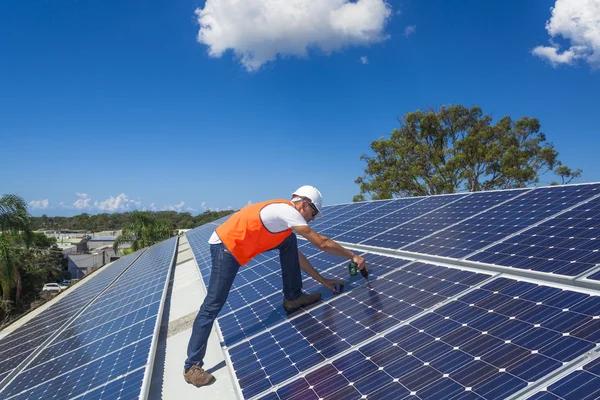
As homeowners in Los Angeles consider sustainable energy options, solar installation has become one of the most attractive choices for reducing electricity bills and minimizing environmental impact. In 2026, the process of installing solar panels on residential properties is more streamlined and accessible than ever before. Understanding the key steps involved helps homeowners make informed decisions that maximize benefits while ensuring compliance with local regulations.
The first stage in any solar installation project involves assessing your home’s energy needs. This requires analyzing your current electricity consumption to determine the appropriate size and capacity of a solar system. Many companies offer free consultations or use online tools to estimate this based on past utility bills. Choosing an installer with experience in Los Angeles is crucial because they are familiar with city-specific requirements such as permits, interconnection agreements, and incentives.
Once you have a clear idea of your energy requirements, selecting high-quality photovoltaic panels becomes essential. Advances in technology mean there are numerous efficient options available today that perform well under California’s sunny conditions. The choice between monocrystalline or polycrystalline panels depends on budget and efficiency preferences; monocrystalline typically offers higher efficiency but at a higher cost.
After panel selection, obtaining necessary permits from the Los Angeles Department of Building and Safety is mandatory before beginning installation work. Licensed installers usually handle this process to ensure all paperwork complies with local codes related to electrical safety and structural integrity. During installation, professionals mount the panels securely on rooftops or ground mounts if space allows while integrating inverter systems that convert sunlight into usable electricity for your home.
Connecting your new solar system to the grid involves coordination with your utility provider, often Southern California Edison (SCE). Net metering policies remain favorable in 2026, allowing homeowners to receive credits for excess power generated by their system fed back into the grid. This feature significantly enhances return on investment by offsetting future energy costs.
Financially, various incentives continue supporting solar energy company los angeles County including federal tax credits which cover a percentage of installation expenses directly deducted from taxes owed. Local rebates may also be available depending on current programs aimed at promoting clean energy solutions within communities.
Maintenance requirements for residential solar installations are minimal but important for long-term performance; periodic cleaning of panels ensures maximum sun exposure while inspections verify electrical connections remain secure over time.
By following these steps carefully-assessing needs accurately, choosing quality equipment wisely, securing permits properly, coordinating grid connection effectively-and taking advantage of financial incentives available throughout 2026 homeowners can confidently invest in solar installations that provide lasting savings and contribute positively toward environmental sustainability in Los Angeles neighborhoods today and beyond.