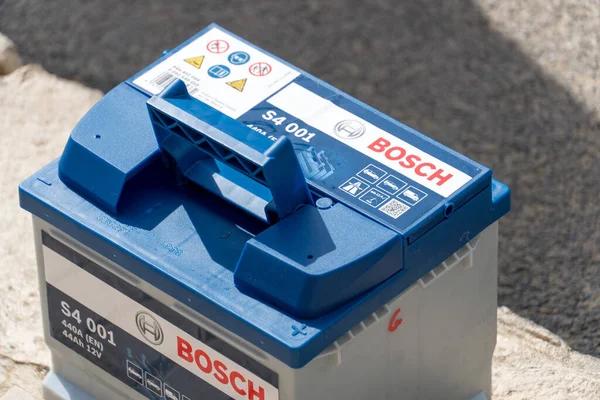
Extending the life of a replacement part is essential for maintaining the efficiency and reliability of any machine or device. When you invest in a new component, it is important to ensure that it performs optimally for as long as possible. The first step in prolonging the lifespan of a replacement part is proper installation. Carefully following manufacturer instructions during installation helps prevent premature wear or damage caused by incorrect fitting. Using appropriate tools and techniques reduces stress on the part and ensures it functions as intended.
Once installed, regular maintenance plays a crucial role in extending longevity. Keeping the replacement part clean from dirt, dust, or debris minimizes friction and deterioration over time. Depending on its function, periodic lubrication may be necessary to avoid excessive wear caused by metal-on-metal contact or other mechanical interactions. Monitoring performance regularly allows early detection of any issues before they escalate into failures that could shorten the component’s usable life.
Environmental factors also significantly affect how long a replacement part lasts. Exposure to extreme temperatures, moisture, corrosive substances, or vibrations can accelerate degradation processes such as rusting or material fatigue. Protecting parts with suitable coatings or housing them within controlled environments helps mitigate these risks. Whenever possible, avoid see additional resources placing equipment where conditions are harsh unless specifically designed for such use.
Using genuine parts from reputable manufacturers rather than generic alternatives often results in better durability due to higher quality materials and manufacturing standards. While original equipment manufacturer (OEM) components might come at a premium price compared to aftermarket options, their enhanced reliability frequently justifies this investment through reduced downtime and fewer replacements over time.
It is equally important to operate machinery within recommended parameters outlined by manufacturers because overloading or misuse stresses components beyond their design limits leading to quicker failure rates. Training personnel who handle machines on correct operating procedures contributes significantly toward safeguarding replacement parts against unnecessary strain.
In cases where multiple parts work together within an assembly systemically checking related components during service intervals ensures one worn element does not negatively impact another causing cascading damage effects.
Finally, documenting all maintenance activities including inspections, repairs, and replacements provides valuable information for future reference helping identify patterns that might require adjustments in care routines aimed at maximizing overall equipment lifespan including that of individual parts.